WHY FAIRY HAIR LASTS
Hair Follicles, Ferritin and the Apple Test
From iron stores and hair follicles to the surprising strength of a single strand of hair.
When people think about hair health, they often imagine the hair itself becoming stronger or weaker. But biologically, there are two separate systems at work:
• The follicle, which produces and holds the hair.
• The hair fiber, which is the strand you can see and touch.
A person can have extremely strong hair fibers but still experience increased shedding if the follicle is not functioning optimally. Likewise, someone can have healthy follicles but hair that becomes damaged by heat, chemicals, or mechanical stress.
Understanding the difference helps explain hair shedding, hair strength, and why fairy hair lasts.
PART 1
The Follicle: Where Hair Begins
The follicle is a tiny living organ embedded in the scalp. It contains rapidly dividing cells that continuously produce new hair. Because these cells divide so quickly, they require a steady supply of oxygen, nutrients, and energy.
One of the most important nutrients involved in this process is iron. Iron is stored in the body as ferritin, a reserve that tissues can access when needed. Hair follicles are among the body’s most metabolically active structures, so they are particularly sensitive to changes in ferritin levels.
When ferritin levels become too low, the body prioritizes iron delivery to more essential organs and functions. Hair follicles may receive fewer resources, causing some hairs to enter their resting and shedding phase earlier than they otherwise would.
Many people describe this as their hair feeling thinner or not “holding on” as well. In reality, the follicle is simply completing its cycle sooner and releasing the hair strand.
FERRITIN & NUTRITION
Supporting Healthy Ferritin Levels
For people with low ferritin levels, improving iron intake may help support healthy hair growth and retention. Some naturally iron-rich foods include lean red meat, liver, oysters, mussels, sardines, lentils, beans, spinach, and pumpkin seeds.
The body absorbs iron from animal sources more efficiently than iron from plant sources. Pairing iron-rich foods with a source of vitamin C - such as citrus fruits, strawberries, bell peppers, or tomatoes - can help increase absorption.
Things that can reduce absorption:
• Tea
• Coffee
• Calcium
• Certain compounds found in grains and legumes
Things that can increase absorption:
• Vitamin C
• Meat, fish, and poultry eaten alongside plant sources
FAIRY HAIR LONGEVITY
Why Fairy Hair Lasts
This natural growth and shedding cycle is what determines
how long fairy hair lasts.
Fairy hair is attached to a single natural hair strand. It remains attached until that individual hair completes its natural life cycle and sheds. When that happens, the natural hair and the fairy hair shed together as a single unit.
Niki's guarantee : You will never find the fairy hair separated from the hair it was attached to - the two leave together, assuming the tie was done correctly.
PART 2
The Hair Fiber: Stronger Than Most People Realize
Now for the surprising part: the hair strand itself is incredibly strong.
Although a single hair is thin enough to be barely visible, it can typically withstand around 50 to 100 grams of tension before breaking, depending on the individual’s hair type, diameter, and condition.
Many small apples weigh roughly 100 grams. That means a single healthy hair can support approximately the weight of a small apple before reaching its breaking point.
Hair achieves this strength through keratin, a highly organized structural protein that forms tightly packed fibers inside the hair shaft. Nature essentially builds each strand like a miniature biological rope.
Repeated heat styling, chemical processing, excessive friction, and environmental damage can gradually weaken the fiber. But under normal conditions, hair is far tougher than most people realize.
RETENTION VS. STRENGTH
Two Different Parts of Hair Health
A hair can be strong yet still shed because the follicle has reached the end of its cycle.
A hair can also remain attached to the scalp while the fiber itself becomes weakened by damage.
Follicle health determines how long a hair stays.
Hair fiber health determines how much stress a hair can withstand.
Both matter, but they are not the same thing.
A FAIRY HAIR PERSPECTIVE
The Hair Isn’t Letting Go
One of the reasons I enjoy educating clients about hair biology is that fairy hair offers a simple visual example of these principles. The fairy hair itself is not what determines longevity. The determining factor is the natural hair to which it is attached.
A healthy follicle may keep that hair growing and anchored for months. Eventually, however, every hair reaches the end of its cycle and sheds naturally. When that happens, the fairy hair and natural hair leave together as a single unit, if the tie was done correctly.
In other words, the fairy hair isn’t letting go - the hair is simply completing the remarkable biological process it was designed to follow.
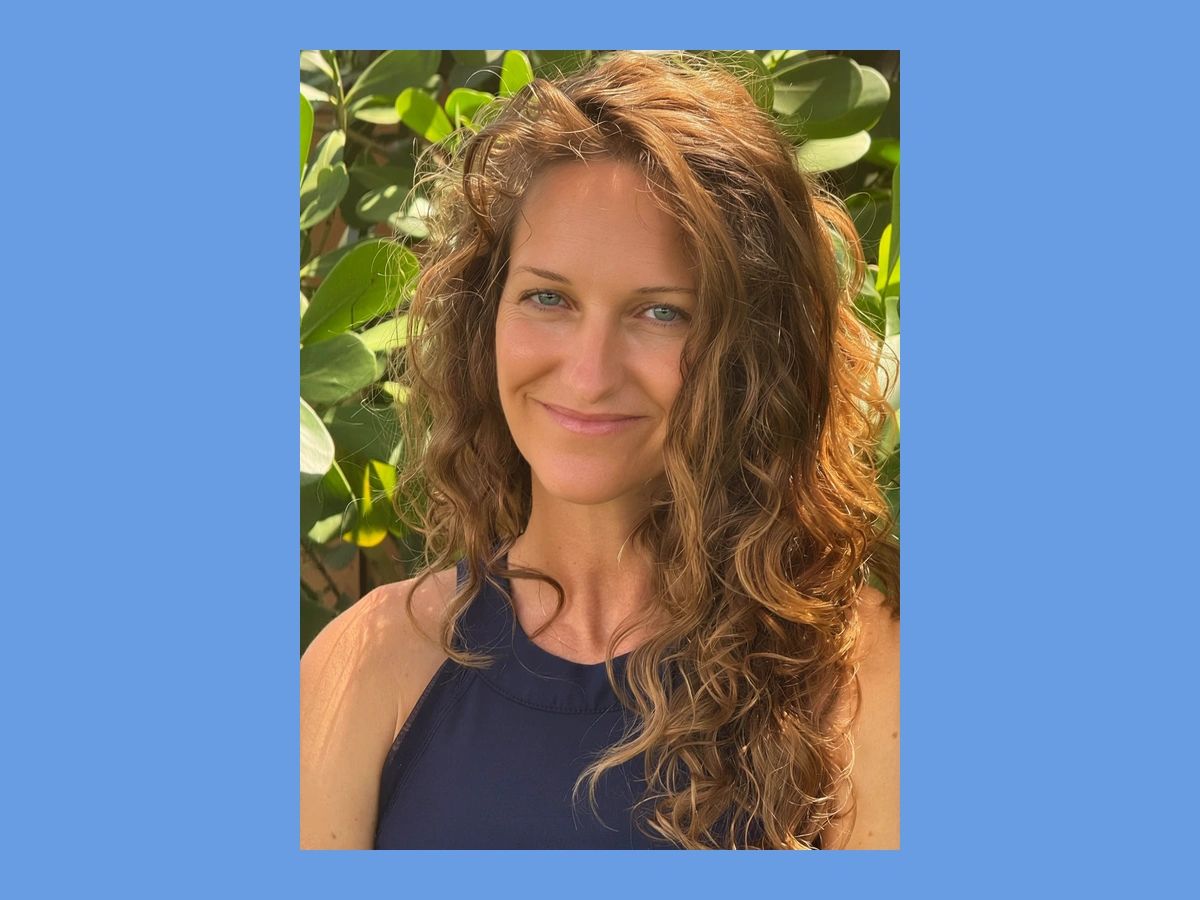
Niki Parker
Bachelor of Science in Biochemistry & Physiology
Founder, Fairy My Hair
Fairy Hair Specialist
This website uses cookies.
We use cookies to analyze website traffic and optimize your website experience. By accepting our use of cookies, your data will be aggregated with all other user data.